


 Forest and Garden machines
 Gardening
 Farmer Tractors and UTV
 Outlet Products
 Cleaning machines and chemicals
 Home Appliances
 Construction machines
 Boats and engines
 Engines, Generators, Air-compressors
 Snow blowers and shovels
 ATV and Moto
 Road Pro Signs


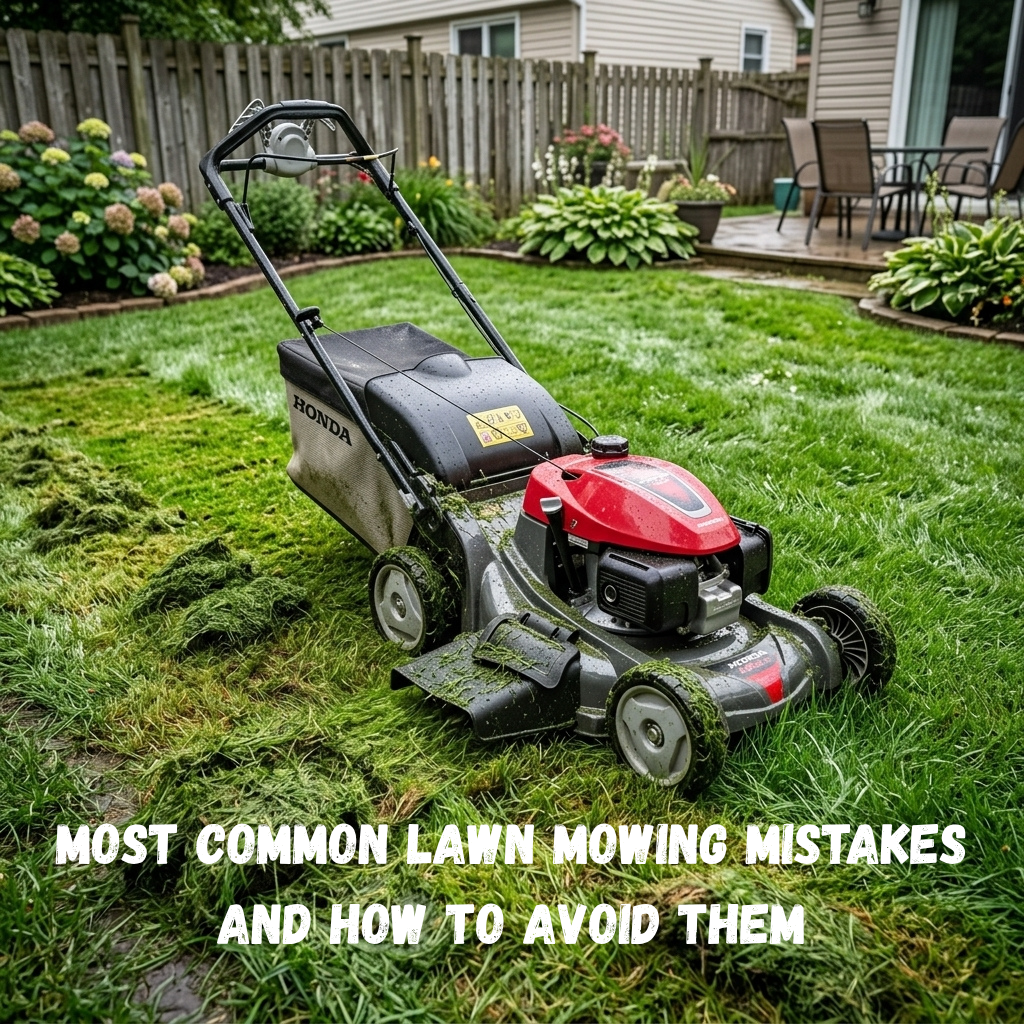

Most Common Lawn Mowing Mistakes and How to Avoid Them
Mowing the lawn may seem simple, but small mistakes can quickly lead to weak grass, patchy growth, unnecessary mower wear, and a yard that never looks quite right. Here is how to mow grass properly and avoid the lawn mowing mistakes that homeowners make most often.
Why proper lawn mowing matters
Healthy grass depends on more than regular watering. The way you mow has a direct effect on root strength, moisture retention, resistance to weeds, and the overall appearance of your lawn. When the grass is cut at the right height and with the right technique, it stays thicker, greener, and more resilient throughout the season.
On the other hand, poor mowing habits can stress the lawn, expose the soil to heat, and create the perfect conditions for thinning and discoloration. That is why understanding the most common lawn mowing mistakes is one of the easiest ways to improve your yard.

The most common lawn mowing mistakes
Cutting the grass too short
One of the biggest mistakes when mowing grass is cutting it too low. Many people assume that shorter grass means less mowing, but scalping the lawn actually weakens it. Short grass loses moisture faster, develops shallower roots, and becomes more vulnerable to heat and weeds.
A better approach is to follow the one-third rule: never remove more than one-third of the grass blade in a single mowing session.
Mowing wet grass
Wet grass bends under the mower instead of standing upright, which often leads to an uneven cut. It also tends to clump, block the deck, and stick to the blade area. In addition, mowing on wet soil can leave marks and compact the ground.
If possible, wait until the lawn has dried before mowing. This simple step improves the cut quality and reduces stress on the machine.

Using dull mower blades
Sharp blades slice grass cleanly. Dull blades tear the tips, leaving the lawn with a ragged finish that can turn brown soon after mowing. Torn grass is also more exposed to disease and drought stress.
If your lawn looks frayed instead of neatly cut, the mower blade probably needs cleaning, sharpening, or replacement.
Mowing during the hottest part of the day
Grass already under heat stress does not respond well to aggressive mowing in peak afternoon sun. The combination of high temperature and cutting stress can dry the lawn faster and reduce recovery.
The best time to mow is usually in the morning after dew has dried or later in the afternoon when temperatures are lower.
Mowing too infrequently
Letting the lawn grow too long before mowing often leads to cutting off too much at once. This shocks the grass and creates piles of clippings. A more consistent schedule keeps the lawn healthier and the mowing process easier.
Mowing in the same direction every time
Repeating the same mowing pattern can cause grass to lean in one direction and may lead to visible tracks over time. Alternating the direction of mowing helps the lawn grow more upright and creates a more even finish.
Ignoring seasonal mowing height
Grass does not need the same cutting height all year round. In hot summer conditions, slightly taller grass can shade the soil and hold moisture better. During periods of active growth, a balanced mowing height supports denser and stronger turf.
Skipping mower maintenance
Regular lawn mower maintenance is just as important as mowing technique. A dirty deck, clogged underside, worn blade, or poor wheel adjustment can all affect cutting performance.
Keeping the mower clean and well maintained improves results and extends the life of the machine.

How to mow grass properly
If you want a healthier lawn, the good news is that proper mowing is not complicated. A few practical habits make a noticeable difference.

Why the right mower also matters
Sometimes the issue is not just technique. The mower itself may not be the best fit for the size or condition of your yard. A machine that is too small, too weak, or poorly suited to your lawn can make consistent mowing harder than it needs to be.
If you are comparing options, it helps to understand which mower type works best for your outdoor space, grass growth, and maintenance needs.
Frequently asked questions
Conclusion
Great lawn care is usually the result of small consistent decisions. Avoiding common lawn mowing mistakes such as cutting too short, mowing wet grass, or ignoring blade maintenance can dramatically improve the look and health of your lawn.
If you want better results, focus on mowing technique, timing, and equipment care. A well-maintained mower and a smarter mowing routine will do more for your yard than simply mowing more often.